

Essentia / Devices / Peritoneal Dialysis
Device Lab 23
Peritoneal Dialysis
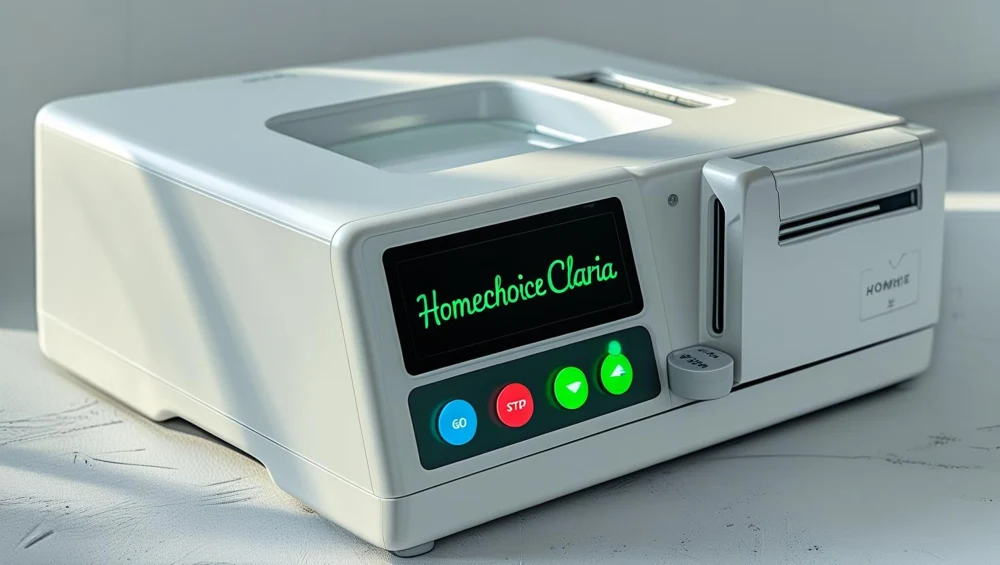
An extracorporeal blood circuit exchanges across a hollow-fibre membrane against a separate prepared dialysate stream. Access, blood handling, fluid preparation and protective sensing are different parts of the same treatment system.
Also called: Pd Cycler, Apd Cycler. Arabic: غسيل الكلى البريتوني. Device Lab 23 of 69 in BMEssentia Medical City, 2 configurations.
Overview: the configurations
Hemodialysis
An extracorporeal blood circuit exchanges across a hollow-fibre membrane against a separate prepared dialysate stream. Access, blood handling, fluid preparation and protective sensing are different parts of the same treatment system.
Automated peritoneal dialysis
A pneumatic cycler moves dialysis solution through a disposable cassette and a single patient catheter. Fill, dwell and drain are separate phases; the peritoneum provides the exchange surface and blood remains inside the body.
Manual peritoneal dialysis
A gravity exchange set connects fresh solution, a patient transfer set and a drain bag. There is no powered cycler. The patient connection, bag heights, clamp states and clean connection workflow determine what can happen.
How it works: the main parts
What each part does, from the Peritoneal Dialysis lessons in the 3D Device Lab.
- Housing
- This machine lives in a bedroom and runs while somebody sleeps next to it. That single fact drives more of its design than any clinical requirement.
- Display
- This screen is reporting on a treatment happening inside a body cavity that neither you nor the machine can see. That is a genuinely different problem from a hemodialysis display, which at least reports on fluid passing through its own hardware.
- Heater
- Two litres of fluid at room temperature is about to go into somebody's abdominal cavity. Cold fluid there hurts, and the discomfort is severe enough that patients stop treatment over it.
- Cassette
- Here is the idea that makes this whole machine work, and it is worth stopping on. The cycler never touches dialysis solution.
- Actuator
- The actuation plate is where air becomes fluid movement, and it is the most easily misunderstood surface in this machine. Nothing crosses it.
- Pneumatic source
- This is an air pump, and everything about the treatment depends on it while nothing about the treatment passes through it. Understanding that sentence is understanding the architecture.
- Reservoirs
- These hold air, and knowing that immediately rules out an entire category of wrong hypothesis. When something in this machine loses pressure, the question is never whether the patient is losing fluid.
- Manifold
- If the pump is the muscle and the reservoirs are the store, the manifold is the decision. It is a block of passages and electrically operated valves that decides, several times a second, which part of the cassette gets pressure and which gets vacuum.
Common faults and what to check
Most reported device problems (FDA MAUDE)
| Device problem | Reports |
|---|---|
| Device Displays Incorrect Message | 46,877 |
| Overfill | 31,271 |
| Fluid/Blood Leak | 24,599 |
| Device Operates Differently Than Expected | 12,289 |
| Air Leak | 8,942 |
| Thermal Decomposition of Device | 5,011 |
Raw counts of adverse event reports for this device type (FDA product code FKX), all years. Not adjusted for the number of units in use, so they show what gets reported, not failure rates. Report text is never copied.
Planned maintenance checks
From the BMEssentia procedure library: every 12 months, about 30 minutes, electrical class II, applied part type BF.
Home cyclers are often maintained by the supplier. Hospital-owned cyclers follow this procedure.
| Check | Pass when |
|---|---|
| Cycler, heater plate and door Inspect the heater plate, the cassette door and seals. | No damage. |
| Volume and temperature Run a test fill and drain into a weighed bag; check warmer temperature. | Per manufacturer. |
| Alarms Trigger drain and occlusion alarms with a clamped line. | Alarms sound. |
Test instruments: Calibrated scale or volume reference; Thermometer reference.
Standards engineers test against
ISO 23500: water and fluids for haemodialysis
The series that sets the quality of water for dialysis, concentrates and dialysis fluid, and how the water treatment system is validated and monitored.
Recent FDA recalls
| Recall | Product and reason |
|---|---|
| Z-0409-2026 2025-10-29 | Vantive US Healthcare LLC: Sharesource Connectivity Platform for Use with Homechoice Claria Vantive has identified a software defect within the Sharesource Claria software, which may cause a patient s updated prescription program settings to not be properly saved on the actual cycler that the patient is using. Root cause: Software design. |
| Z-0619-2024 2023-12-26 | Fresenius Medical Care Holdings, Inc.: Liberty Select Cycler, Model numbers RTLR180343 and RTLR180111 Affected Liberty Select cyclers may display an incorrect time stamp on the treatment data report sent to the clinic. Root cause: Under Investigation by firm. |
| Z-0550-2024 2023-12-14 | Baxter Healthcare Corporation: Baxter Amia Automated Peritoneal Dialysis (APD) Cycler Set, REF 5C5479 There is to an increase in complaints related to failure alarms for Wet Cassette Integrity Test occurring on the Amia devices. Root cause: Process control. |
| Z-1316-2023 2023-04-01 | Baxter Healthcare Corporation: Automated Peritoneal Dialysis System. Used for automatic control of dialysis solution exchanges. The electrical safety testing was not properly performed on the impacted devices and additional testing is required Root cause: Process design. |
| Z-1144-2022 2022-04-21 | Baxter Healthcare Corporation: Effluent Sample Bag Certain Peritoneal Dialysis product codes do not have FDA regulatory clearance and were distributed within the United States in error. Root cause: No Marketing Application. |
From the FDA recall database (openFDA), newest first, imported 2026-10-22. 51 recalls on record for this device type. Recall text is the FDA's public text; each recall links to the official record.
Learn it, see it in 3D, ask about it
- Ask Essentia about the Peritoneal Dialysis: answers from named sources, with the device open in its 3D Device Lab beside the answer.
- The Peritoneal Dialysis on the BMEssentia Platform: the Device Library course, 13 sections from physics to maintenance.
- BMEssentia Medical City: Device Lab 23, the Peritoneal Dialysis fully assembled in 3D, with lab tasks and the simulations.
Previous: Haemodialysis Machine. Next: Pacemaker. All 69 devices.
Ask about the Peritoneal Dialysis
Sign in with your BMEssentia account, or create one, and ask anything about this device.
Ask Essentia